Pillar 3 - Walking in Obedience
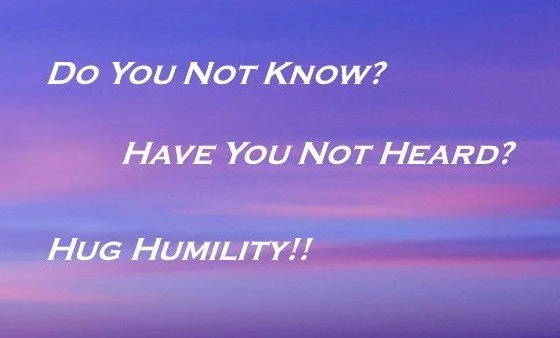
Hug Humility
Scripture embraces humility.
Pride is so woven into human nature that most people cannot see their own — which is precisely why Scripture returns to the theme of humility more than almost any other.
Do You Not Know ?
God Opposes The Proud But Shows Favor To The Humble
Have Your Not Heard ?
Humble Yourselves Before The Lord And He Will Lift You Up.
Where Will You Spend Eternity?
HELL - ENDLESS AGONY WITH SATAN IN THE LAKE OF FIRE
OR
HEAVEN - ETERNAL LIFE OF JOY, PEACE AND LOVE WITH CHRIST JESUS
The Choice is Yours !!
“Humble yourselves, therefore, under the mighty hand of God so that at the proper time he may exalt you, casting all your anxieties on him, because he cares for you”
1 Peter 5:6-7
Is Yours A Posture Of Humility?
Do You Hug Humility?
This is the truth in its simplest form — the same words printed inside every Hug Humility Truth Card:
Do not move past this too quickly.
If this is true, which it is, it changes everything about your life.
What Scripture Says About Humility
Humility is a cornerstone of the Christian life. Humility towards God reflects a deep understanding of the sovereignty of God as well as our dependence on Him. Humility is not self-deprecation, but a rightful and honest assessment about who you are in relation to God. Peter encourages us, "Humble yourselves, therefore, under the mighty hand of God so that at the proper time he may exalt you." (ESV) 1 Peter 5:6.
A humble posture before God requires self-examination and an honest appraisal of our spiritual condition. Since “all have sinned and fall short of the glory of God”, humility eliminates comparison and spiritual pride, causing you to acknowledge your sinful condition and your inability to do anything about it.
In this way, humility renders you both penitent and teachable. Convicted by both Scripture and the Holy Spirit, you seek not only to be reconciled to God, but to know Him and to lean on Him. You embrace his grace, rather than rely on your merit, or lack thereof.
Humility also enables obedience, even when God’s will is inconvenient, costly or not fully understood. This same humility allows you to put others ahead of yourself, trusting God with both the outcome and the power to accomplish it. All this points you to Jesus Christ.
Jesus himself is the ultimate example of humility. Philippians 2:5-8 observes, Jesus “who, though he was in the form of God, did not count equality with God a thing to be grasped, but emptied himself, by taking the form of a servant, being born in the likeness of men.” Jesus valued others more highly than himself, being obedient to the Father. His willingness to serve and obey, even to the point of suffering, is not only the perfect model for you, but it also is the posture required for you to receive His grace.
“This is the one to whom I will look: he who is humble and contrite in spirit and trembles at my word.” Isaiah 66:2 Humility is the proper posture of the created before the Creator and the redeemed before their Redeemer.
What is your posture before God and Christ?
Do you hug humility?
What Others Ask
Q. What does the Bible say about humility?
A. Micah 6:8 lists walking humbly with God as one of humanity's essential duties. Philippians 2:3 instructs believers to 'in humility count others more significant than yourselves.' Scripture consistently presents humility not as weakness but as the posture of a creature who accurately understands its relationship to the Creator and to others.
Q. How do I become more humble before God and others?
A. Humility is cultivated through honest self-examination in God's presence (Isaiah 6:5), genuine service to others (Mark 10:45), and a willingness to be corrected and instructed. Prayer that acknowledges dependence on God rather than self-sufficiency is one of the most formative practices. Humility deepens as we see God's greatness more clearly.
Q. What is the difference between humility and low self-esteem?
A. Humility is accurate self-assessment — knowing who you are before God, neither more nor less. Low self-esteem is distorted self-assessment — seeing yourself as worthless. True humility can coexist with healthy confidence, because it is rooted in identity in Christ, not performance. The humble person is not always thinking less of themselves; they are simply thinking of themselves less.
Q. Why does God oppose the proud but give grace to the humble?
A. James 4:6 and 1 Peter 5:5 both quote Proverbs 3:34: 'God opposes the proud but gives grace to the humble.' Pride places the self at the center where only God belongs — it is the oldest and most fundamental sin. Humility creates openness to receive what God offers. Grace flows toward those who acknowledge they need it.
Q. How did Jesus model humility, and what can we learn from it?
A. Philippians 2:5-8 presents Jesus as the supreme model of humility: though equal with God, He 'made himself nothing, taking the form of a servant.' He washed His disciples' feet (John 13), ate with sinners, and died on a cross reserved for criminals. His humility was not weakness — it was strength placed entirely in the service of love.

Digging Deeper Introduction
Humility is not just one virtue among many – it is an essential foundation for your relationship with God and others. Romans 12:3 instructs “Do not think of yourself more highly than you ought, but rather think of yourself with sober judgment, in accordance with the faith God has distributed to each of you.” Humility requires an honest assessment of your strengths and weaknesses as well as your gifts and limitations.
With true humility you understand and accept your true position as a created one before the Creator. You recognize you are a recipient of grace and that any proud self-assertions are meaningless and absurd. Acknowledging that everything you are and everything you have comes from God is the first step to true humility. 1 Corinthians 4:7 puts an exclamation point on this truth: “For who makes you different from anyone else? What do you have that you did not receive? And if you did receive it, why do you boast as though you did not?”
Scripture clearly portrays God as opposing the proud but favoring the humble. Proverbs 16:5 warns: “Everyone proud in heart is an abomination to the Lord; Though they join forces, none will go unpunished.” The term “abomination” tells you pride is highly offensive to His very nature. James 4:6 issues one of the most sobering statements in Scripture: “God opposes the proud but shows favor to the humble.” God sets himself against the proud. Yet Isaiah 66:2 reveals His favor to the humble: “These are the ones I look on with favor: those who are humble and contrite in spirit, and who tremble at my word.”
Read the Full Digging Deeper Commentary
God opposes the proud—will you humble yourself?
Someone’s eternity depends on it!
Awaken the sleeper!
Continue the Journey
Explore the foundational truths step by step
Next in Pillar 3 - Walking in Obedience